






The Problem with Digital Overload
You’ve probably noticed it too: everything is starting to look and feel the same.
From e-commerce apps to SaaS dashboards, most digital products follow identical patterns, familiar layouts, similar button placements, even identical onboarding flows. While consistency has its advantages, it’s also made it harder for brands to differentiate.
Users, on the other hand, are overwhelmed. They expect speed, simplicity, and seamlessness. Anything that feels confusing or unnecessary? They’re gone in three clicks.
This is where human-centered design changes the game. It reminds us that behind every tap, scroll, or click is a real person with needs, emotions, and expectations.
What Human-Centered UI/UX Really Means
Human-centered design isn’t a buzzword; it’s a mindset. It’s about putting people at the core of every design decision, from initial wireframes to the final interaction.
When you build with empathy, you don’t just ask “What should this screen do?” you ask “How should this screen make someone feel?”
Take Airbnb, for example. Their design team doesn’t just optimize for conversion; they design for belonging. Every detail, from imagery to typography, reinforces that feeling of connection and comfort.
That’s what human-centered UI/UX design looks like - a product that feels personal, intuitive, and emotionally aligned with its purpose.
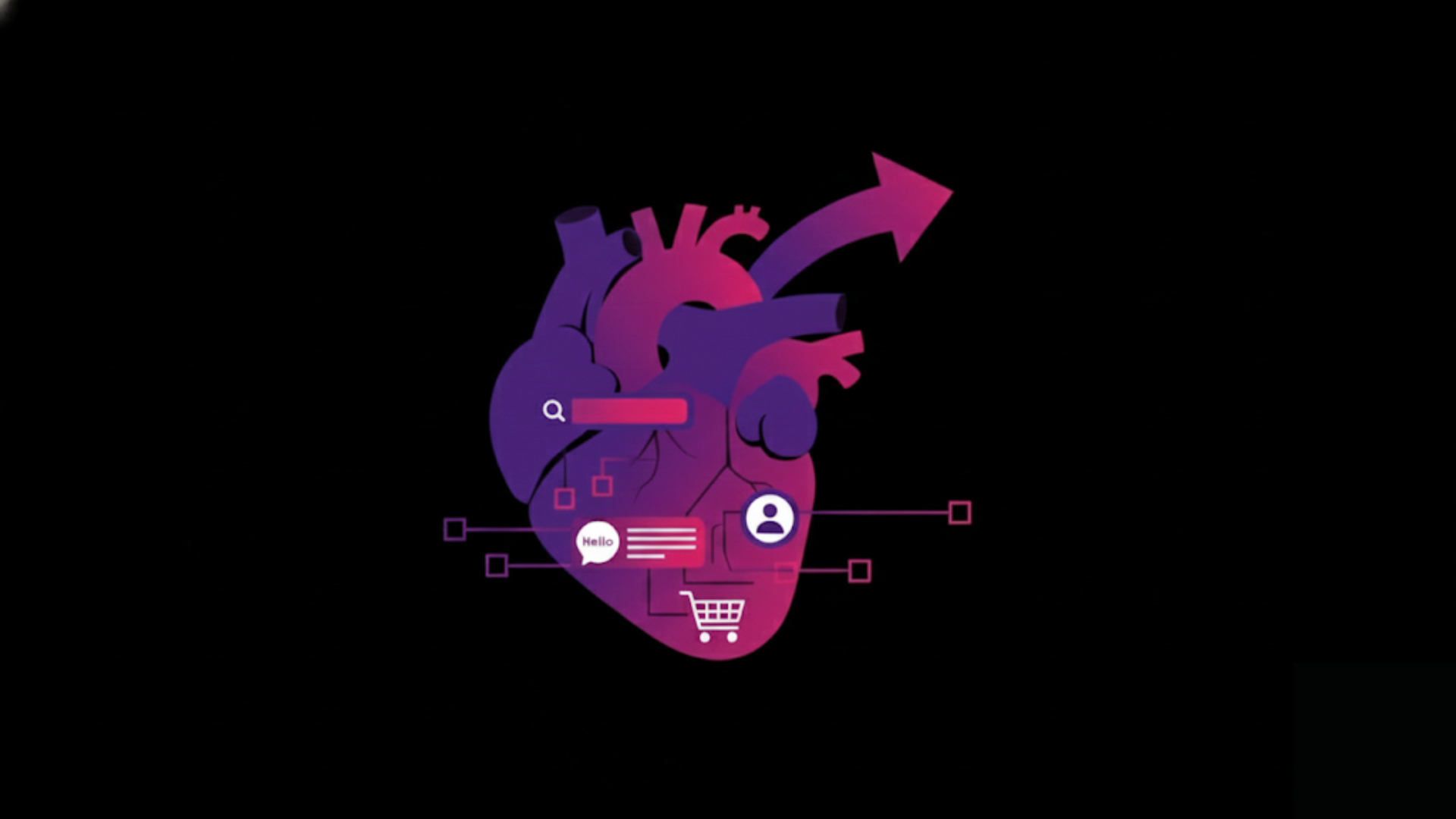
From Pretty Interfaces to Meaningful Experiences
It’s easy to fall into the trap of focusing on aesthetics. Clean interfaces, fancy animations, minimalist layouts - all important, but not enough.
Real user experience happens beneath the surface. It’s in the feedback a button gives when you click it, the clarity of navigation when you’re lost, or the tiny microinteraction that makes a moment feel smooth.
As the saying goes in UX circles: “People ignore design that ignores people.”
A great interface gets noticed once. A great experience gets remembered every time.
The Role of UI/UX Design in Brand Differentiation
In today’s digital landscape, your product is your brand.
Think about it - when someone interacts with your website or app, they’re not just evaluating usability; they’re forming an emotional impression of your brand.
Duolingo, for example, uses humor and gamified design to make learning fun. Calm creates tranquility through color palettes and gentle motion. Even the way Apple’s buttons respond to touch is part of its brand DNA.
Your UI/UX design is the handshake, the tone of voice, and the first impression all rolled into one.
Core Principles of Human-Centered UI/UX Design
To design products that resonate, you need more than aesthetics, you need principles. Here are three that separate good from unforgettable:
1. Empathy and Accessibility
Design for everyone. Accessibility isn’t optional; it’s foundational. If users can’t navigate easily, the experience fails - no matter how beautiful it looks.
2. Personalization and Context
The best digital products adapt. Whether it’s Netflix suggesting the right show or Spotify curating your perfect playlist, personalization turns convenience into loyalty.
3. Emotional Consistency
Users remember how your product makes them feel. Every touchpoint - from empty states to success messages should reinforce your brand’s emotional tone.
Real-World Examples of Memorable Digital Product Design
Let’s talk about a few brands doing this right:
 Apple: Every product interaction feels natural. Their design philosophy is built around reducing friction until all that’s left is clarity.
- Duolingo: The owl isn’t just a mascot; it’s emotional reinforcement. The playful UI keeps users motivated through positive feedback loops.
- Calm: Their app design reflects their purpose. From animations to tone, everything slows you down - intentionally.
These aren’t random design choices. They’re deliberate decisions to make products feel human.
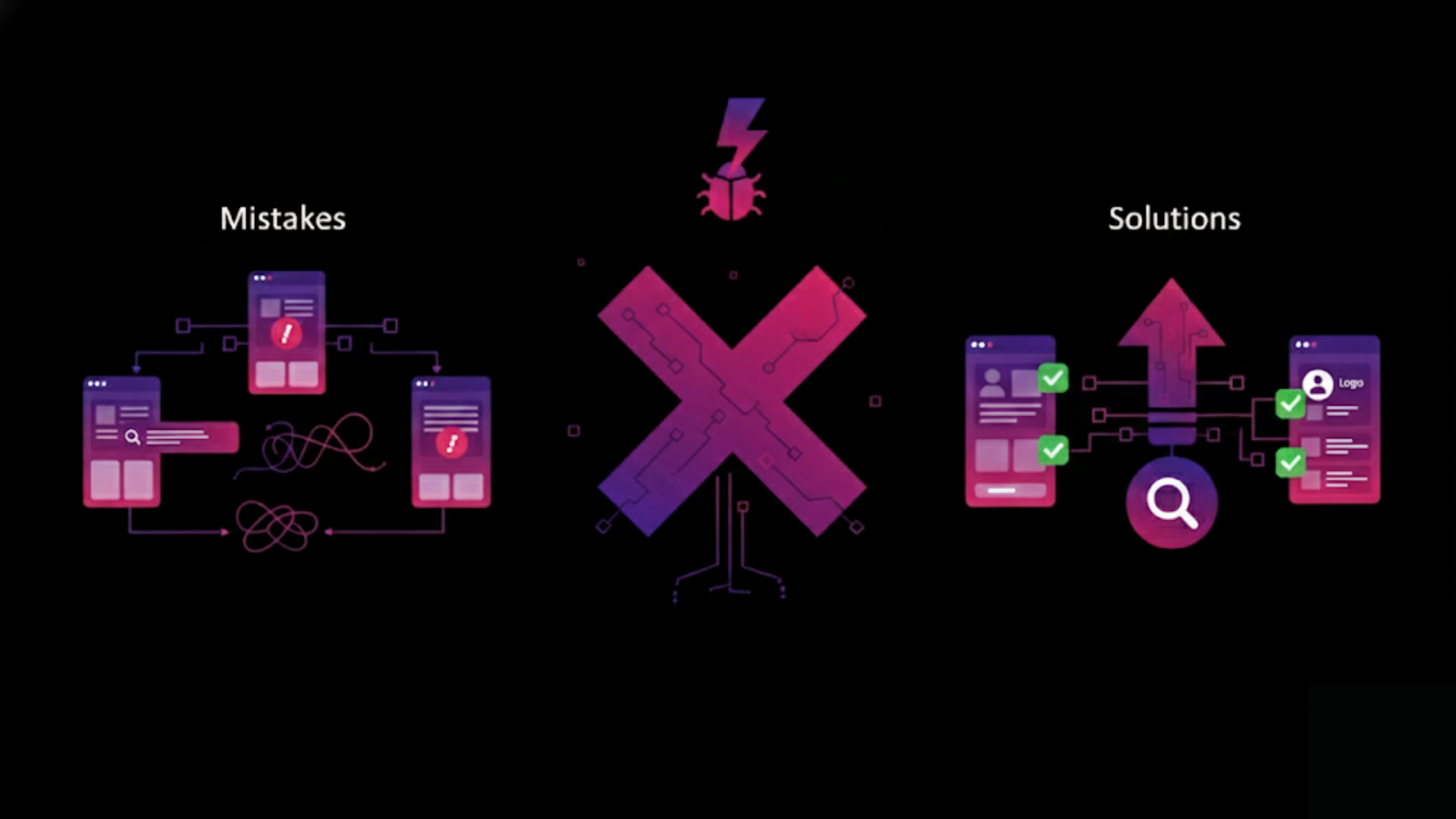
Common Mistakes in Product Design (and How to Avoid Them)
Even experienced teams fall into these traps:
- Designing for features, not users. Just because something’s possible doesn’t mean it’s needed.
- Ignoring microinteractions. The small things - hover states, sounds, animations are what create emotional depth.
- Skipping usability testing. Internal assumptions kill good products faster than bad ideas.
The fix? Always test with real people, not just your product team.
How to Build Human-Centered Digital Products in Practice
So, how do you actually apply all this?
1. Start with research. Talk to users, watch them interact, and listen to their frustrations.
2. Map user journeys. Understand pain points and emotional triggers.
3. Prototype early, test often. Don’t wait for perfection - iterate based on feedback.
4. Collaborate across teams. Great UX is everyone’s job: product, design, marketing, and engineering - a cross-disciplinary approach Figmenta have refined through their human-centered product design practice.
5. Refine continuously. UX isn’t a one-time project. It evolves with your users.
Human-centered design is a living process - not a checklist.
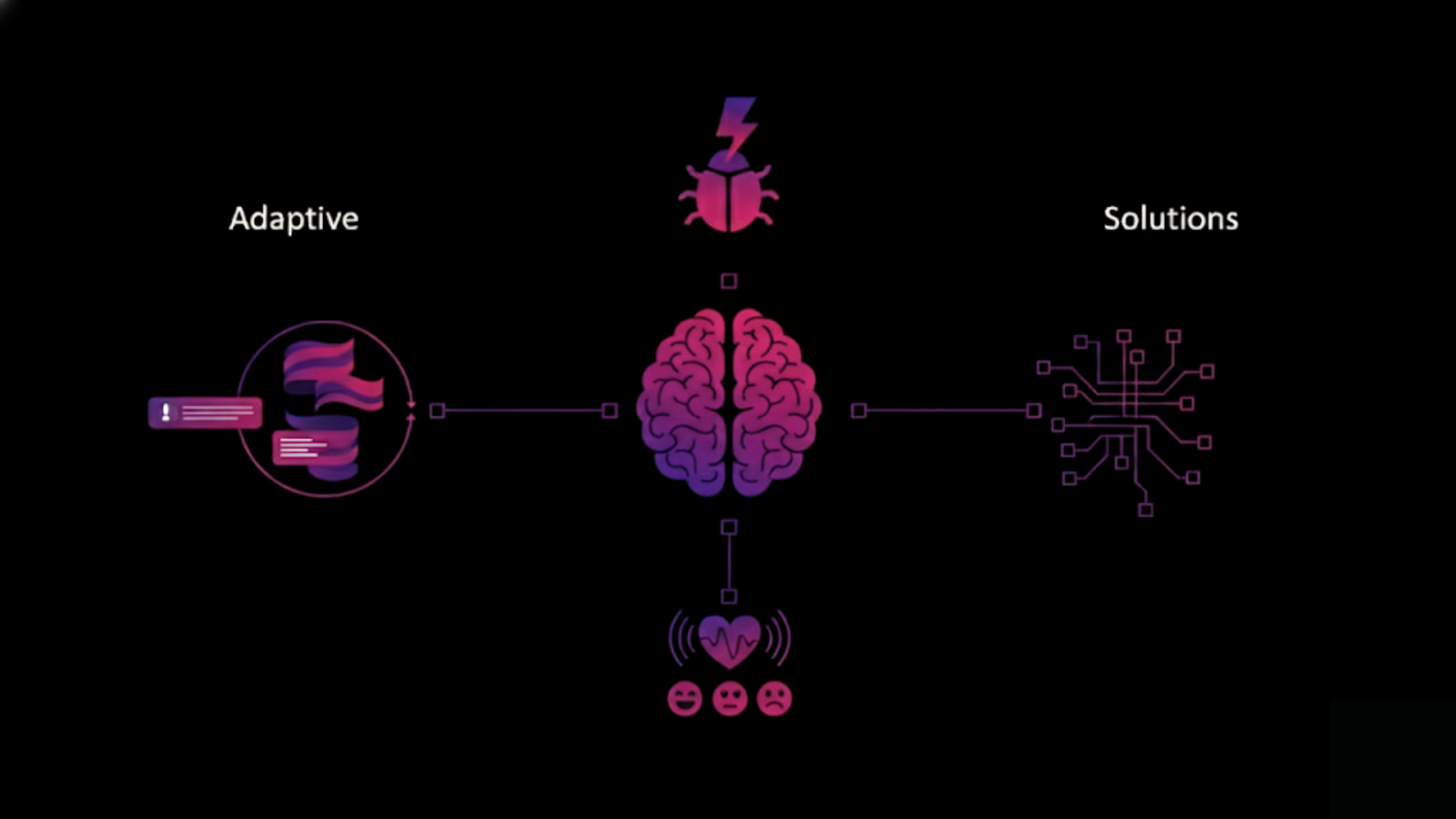
The Connection Between User Experience and ROI
Let’s talk numbers for a second.
A study by Forrester found that every dollar invested in UX brings a return of up to $100. Why? Because good design reduces friction, increases conversions, and builds trust.
Whether it’s an onboarding flow that cuts drop-offs by 20% or a checkout redesign that lifts conversions by 15%, user experience is business performance.
It’s not just a design investment; it’s a growth strategy.
The Future of UI/UX Design: Adaptive, Emotional, Intelligent
By 2025, the future of UI/UX design is adaptive. Products will learn from users in real time, predicting intent before you act.
Imagine interfaces that shift based on your mood or context, faster for power users, slower and more guided for beginners.
AI and emotion analytics are already shaping this space. But the heart of it remains unchanged: human-centered design is about empathy. The tech evolves; the principle doesn’t.
FAQs about Human-Centered UI/UX Design
1. What is human-centered UI/UX design? It’s a design approach that prioritizes user needs, behaviors, and emotions at every stage of product creation.
2. How does UI/UX design impact brand differentiation? Strong UX creates a unique brand feel. It helps your product stand out even if competitors have similar features.
3. Why do emotions matter in digital product design? Emotions shape memory and trust. A positive emotional experience makes users return and recommend.
4. What are some key principles of good product design? Accessibility, personalization, and emotional consistency are at the core of modern UX success.
5. How can small teams adopt human-centered design? Start with user interviews and quick prototypes. Even small feedback loops can lead to meaningful improvements.
6. What’s next for UI/UX design in 2025? AI-driven personalization, voice interaction, and emotional UX will define the next wave of user experience innovation.
Conclusion
In a noisy digital market, features might catch the eye, but only experiences earn loyalty.
Human-centered UI/UX design isn’t about pixels or polish - it’s about people, their needs, their emotions, and the moments that shape their journey. When you design with empathy, every interaction becomes a conversation, not a transaction.
And if you want users to remember your product, make them feel something every time they use it - that’s how digital design becomes brand love, and it’s the kind of product impact teams at Figmenta help brands create with intention.